
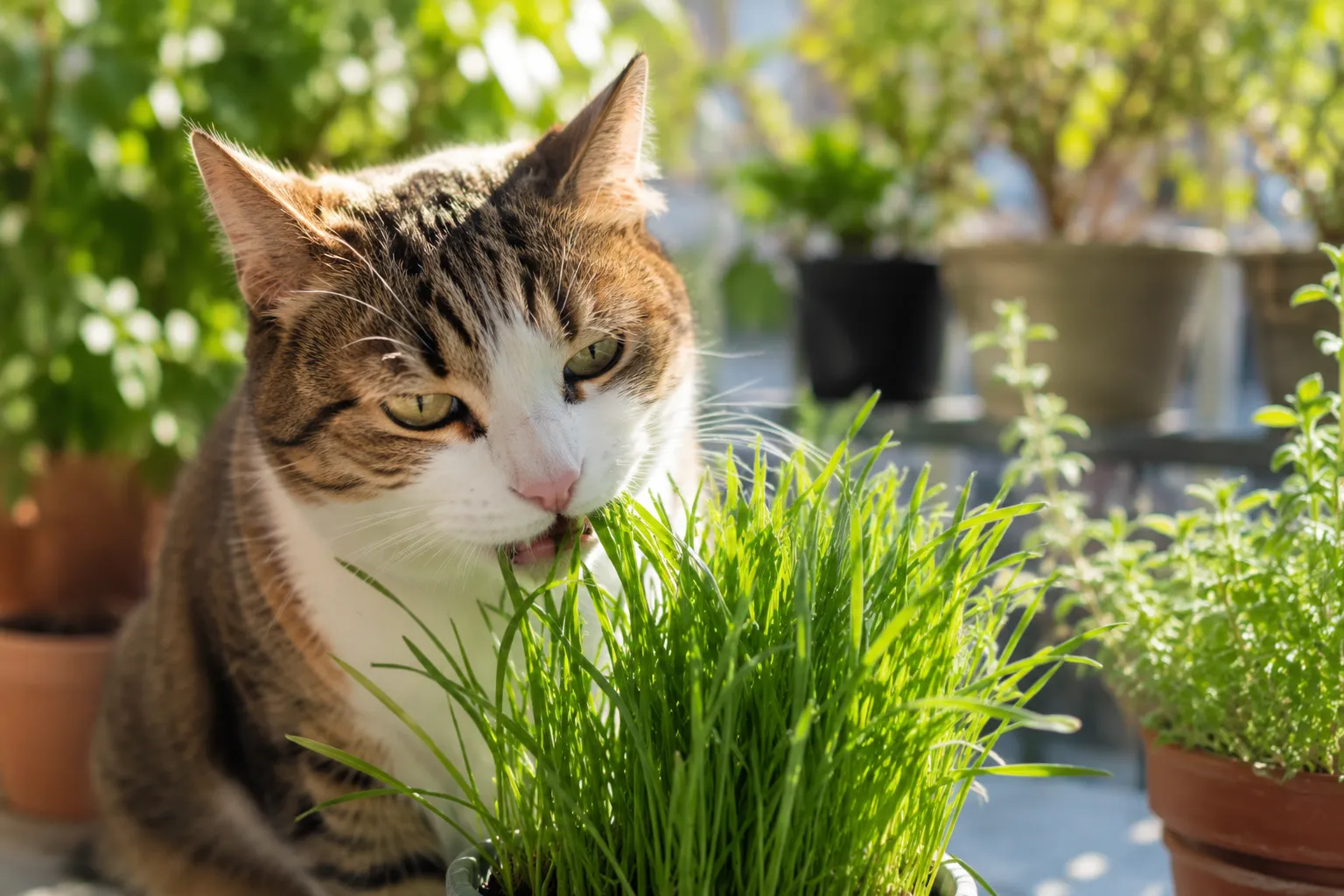
You let your cat outside for five minutes of supervised patio time. They ignore the expensive catnip toy you bought, walk straight to a patch of lawn, and start chomping grass like a lawnmower with a death wish. Ten minutes later, they are hacking it all up on your rug. You stand there, half-concerned, half-grossed out, wondering: why do cats eat grass? And more importantly, why do they always vomit on the carpet instead of the tile?
Here is the good news: eating grass is completely normal for cats. Despite being obligate carnivores who require meat to survive, cats have been munching vegetation since their wild ancestors roamed the savannah. The behavior is instinctive, biologically purposeful, and usually nothing to panic about. The bad news? Your rug may never recover.
Let us dig into the real reasons why cats eat grass, what it does for their bodies, and when you should actually be concerned.
1. Yes, It Is Normal — Even For Meat-Eaters
Cats are obligate carnivores. Their digestive systems are built to process meat, not salad. They lack the enzymes necessary to properly digest plant matter in large quantities. So why on earth would they voluntarily eat something their bodies cannot fully process?
Because evolution is weird, and grass serves purposes that have nothing to do with nutrition.
According to Cats Protection UK, eating grass is a common behavior observed in both domestic cats and their wild relatives — lions, tigers, and cheetahs all nibble vegetation. In the wild, cats consume the entire prey animal, including the stomach contents, which often contain partially digested plant material. This exposure to vegetation may explain why the instinct persists even in cats who eat kibble from a bowl. Amor Animal Hospital
The behavior is so widespread that researchers have studied it extensively. A survey-based study published on ResearchGate found that grass-eating is extremely common among cats and dogs, with most owners reporting their pets eat grass regularly without showing signs of illness beforehand. This challenges the old belief that cats only eat grass when they are already nauseous.
2. Digestive Aid: Nature's Laxative And Vomit Trigger
The most widely accepted explanation is that grass acts as a digestive tool — specifically, a natural laxative and vomit inducer. Cats are meticulous groomers, and all that licking leads to swallowed fur. Over time, that fur accumulates in the stomach and forms hairballs. Hill's Pet Nutrition
Grass contains fiber that is not digestible by cats. When they eat it, the rough texture irritates the stomach lining and triggers the gag reflex. The result? Vomiting — which expels the grass along with any accumulated hair, feathers, bones, or other indigestible material that has been sitting in their stomach. Think of it as a feline reset button for the digestive tract.
But grass does not always come back up. Sometimes it moves through the digestive system and helps break down blockages further down the line. Purina New Zealand notes that grass can act as a natural laxative, helping cats pass indigestible material that has moved too far down the tract to be vomited. If your cat has ever had a hairball that "went the other way," grass may have been the facilitator.
So the vomiting is not a side effect — it is often the point. Your cat is not sick. They are performing maintenance on their own digestive system, using grass as the tool.
3. Nutritional Supplementation: Folic Acid And Fiber
Another theory — though less definitively proven — is that cats seek out grass to supplement their diet with nutrients they might be missing. Grass juice contains folic acid (vitamin B9), which plays a role in oxygen transport, cell growth, and digestion. Kittens get folic acid from their mother's milk, and some researchers speculate that adult cats may instinctively seek grass to replenish this nutrient. Hill's Pet Nutrition
Grass also provides fiber, which aids in bowel regularity. While commercial cat food is formulated to be nutritionally complete, some cats may still crave vegetation as a dietary supplement or simply for the texture. It is worth noting that there is no definitive scientific evidence proving cats eat grass specifically to treat a diagnosed deficiency — but the instinct to seek out greens is strong enough that the theory persists among veterinarians and behaviorists.
4. Stress Relief: Emotional Eating Is Not Just A Human Thing
Cats experience stress, anxiety, and boredom — and some cope by eating grass. Just like humans might stress-eat chips during a bad day, cats may turn to repetitive chewing behaviors to self-soothe. Hill's Pet Nutrition
This is called displacement behavior — an action that helps relieve internal tension when a cat cannot address the source of their stress directly. Changes in environment, new pets, moving homes, or alterations in routine can trigger increased grass-eating in anxious cats. If your cat suddenly becomes obsessed with grass after a household change, stress may be the driver.
Providing environmental enrichment — puzzle feeders, cat trees, interactive play, and safe outdoor enclosures — can reduce stress-driven grass consumption. If the behavior is accompanied by other anxiety signs like excessive grooming, hiding, or aggression, consult your veterinarian about behavioral support or anti-anxiety options.
5. Expelling Parasites: An Evolutionary Housekeeping Habit
One of the more fascinating theories comes from evolutionary biology. Wild cats and ancestral felines may have eaten grass to help expel intestinal parasites. The fibrous plant material wraps around worms and other parasites in the gut, carrying them out through vomiting or defecation. Whisker
Modern domestic cats with regular parasite prevention may not need this mechanism, but the instinct remains hardwired. It is essentially an ancestral housekeeping habit — a self-medicating behavior passed down through thousands of years of feline evolution. Your pampered indoor cat does not have worms, but their brain does not know that. The grass-eating program is still running in the background.
6. Why Do Cats Throw Up After Eating Grass?
This is the question that sends most owners into a panic. You see your cat eat grass, then minutes later they are retching on the floor. It looks alarming, but it is usually intentional and functional.
Cats lack the digestive enzymes needed to break down grass. The undigested plant matter irritates the stomach lining, which triggers vomiting. This is not a sign that the grass is toxic — it is a sign that the grass is doing its job. The vomit typically contains the grass plus whatever indigestible material the cat needed to expel: fur, feathers, bones, or just an overly full stomach. Cats Protection UK
Occasional vomiting after grass-eating is normal. Frequent vomiting — especially if it happens every time, or if the cat seems lethargic, loses appetite, or shows other illness signs — is not. That is when you call the vet.
7. Is Eating Grass Safe For Cats?
Grass itself is not toxic to cats. The danger lies in where the grass comes from. Cats Protection UK
Outdoor Risks
Lawn grass treated with pesticides, herbicides, or fertilizers can poison your cat. Even "pet-safe" chemicals should be avoided. If your cat goes outside, ensure they only access untreated areas. Also watch for toxic plants disguised as grass — lilies, for example, are highly toxic to cats and can cause kidney failure. Amor Animal Hospital
Parasites And Bacteria
Outdoor grass can harbor parasites, bacteria, and fecal matter from other animals. If your cat eats contaminated grass, they may ingest parasites like hookworms or roundworms. Regular deworming and parasite prevention help mitigate this risk.
Grass Seeds
During summer months, grass produces seeds that can lodge in a cat's ears, nose, eyes, or paws. These can cause serious infections and require veterinary removal. If your cat is an outdoor grass-eater, check them regularly for embedded seeds. Cats Protection UK
Arrow Grass
One specific grass species — arrow grass — is poisonous to many animals if consumed in large quantities. It is primarily found in marshes and coastal areas, so most urban cats will never encounter it. Still, knowing it exists is useful if you live near wetlands. Cats Protection UK
8. How To Provide Safe Grass For Your Cat
If your cat loves grass, the safest approach is to grow your own. This eliminates pesticide risk and ensures the grass is clean, fresh, and non-toxic.
Cat grass kits are widely available at pet stores and online. They typically contain wheatgrass, oat grass, or barley grass — all safe and nutritious for cats. Place the pot in a sunny spot where your cat can access it freely. Most cats will nibble as needed without overindulging.
Growing your own: Buy organic wheatgrass or oat grass seeds, plant them in shallow pots with organic soil, and water regularly. In about a week, you will have a fresh patch of safe greens your cat can destroy guilt-free.
Placement matters: Put the grass in a stable container that will not tip over. Some cats get enthusiastic and knock pots off windowsills. A heavy ceramic planter works better than a lightweight plastic one.
If your cat does not touch the grass, do not force it. Some cats simply are not interested, and that is fine. As long as they are eating a balanced diet and passing hairballs normally, they do not need grass to survive.
9. When Is Grass-Eating A Warning Sign?
Most grass-eating is harmless. But certain patterns should raise red flags:
- Frequent or severe vomiting: If your cat vomits every time they eat grass, or if the vomiting is violent and accompanied by lethargy, loss of appetite, or diarrhea, see a vet. This could indicate gastrointestinal inflammation, food sensitivity, parasites, or an obstruction. Amor Animal Hospital
- Excessive consumption: Eating large amounts of grass regularly may signal a nutritional deficiency, chronic digestive discomfort, or pica — a compulsive eating disorder where cats consume non-food items. Amor Animal Hospital
- Accompanying symptoms: Lethargy, weight loss, excessive drooling, changes in appetite, or abnormal behavior alongside grass-eating warrant veterinary investigation. Amor Animal Hospital
- Inhaled grass blades: If a blade of grass becomes stuck in the nasal passage, your cat will sneeze excessively and paw at their face. This requires veterinary removal. Cats Protection UK
Frequently Asked Questions
Why is my cat suddenly eating more grass than usual?
A sudden increase may indicate digestive discomfort, a dietary imbalance, boredom, or stress. Monitor for other symptoms like vomiting frequency, appetite changes, or lethargy. If the behavior persists beyond a few days, consult your vet. Amor Animal Hospital
Can eating grass make my cat sick?
Grass itself is safe, but contaminated or chemically treated grass can cause illness. Pesticides, herbicides, and fertilizers are toxic. Always ensure your cat has access to clean, untreated grass or grow your own indoors. Amor Animal Hospital
Do indoor cats need grass in their diet?
Indoor cats do not need grass, but offering safe cat grass can support digestion, provide enrichment, and satisfy natural instincts. It is especially helpful for indoor cats who lack outdoor grazing opportunities. Amor Animal Hospital
How do I know if my cat's vomiting after grass is normal?
Occasional vomiting after grass-eating is normal and functional. Frequent vomiting — especially if it happens every time, contains blood, or is accompanied by other illness signs — is not. When in doubt, call the vet. Cats Protection UK
What type of grass is best for cats?
Wheatgrass, oat grass, and barley grass are the safest and most commonly recommended options. They are easy to grow, non-toxic, and provide the fiber cats crave without the chemical risks of outdoor lawns. Amor Animal Hospital
Why does my cat eat grass but my other cat does not?
Individual preference. Some cats have a stronger grazing instinct than others. Age, health, diet, and early exposure to vegetation all play a role. A non-grazer is not necessarily unhealthy — they may just process hairballs differently or have lower interest in plant matter.
Related CatCutieSweet Guides
The Bottom Line
Cats eat grass because their ancestors did, because their bodies benefit from the digestive assistance, and because sometimes a blade of foliage is exactly what a stressed-out feline needs to cope. It is normal, instinctive, and usually harmless — as long as the grass is clean, untreated, and consumed in moderation.
The vomiting that follows is not pretty, but it is functional. Your cat is not broken; they are self-medicating with the tools nature gave them. Your job is to make sure those tools are safe. Grow your own cat grass, keep them away from chemically treated lawns, and watch for signs that the behavior has shifted from normal maintenance to potential illness.
And maybe invest in a good carpet cleaner. Just in case.