
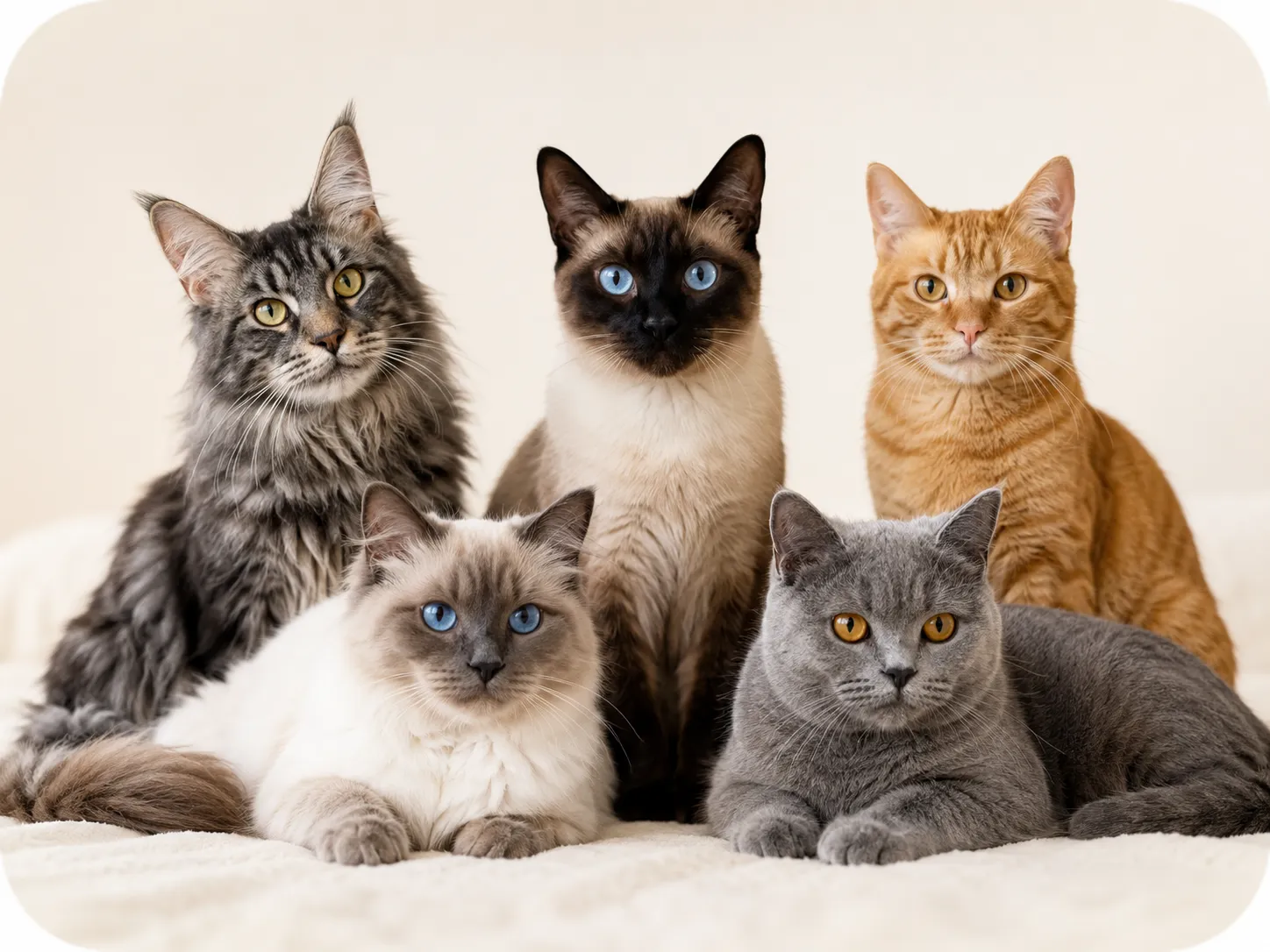
Your cat has spent the morning sprawled across the kitchen tile like a furry puddle, and it is only 9 a.m. By afternoon, they have migrated to the bathroom sink, then the shaded corner behind the couch, leaving a trail of shed fur across every cool surface in the house. Summer heat is no joke for felines — and neither is winter’s biting chill. Unlike us, cats cannot crank up the air conditioning or pull on a sweater when the thermostat swings.
Keeping cats cool in summer and warm in winter is one of the most important responsibilities of pet ownership, yet it is often overlooked until an emergency strikes. Heatstroke can kill a cat in hours. Hypothermia and frostbite can silently damage ears, paws, and tails during a single cold night. The good news? Most temperature-related tragedies are entirely preventable with a little planning and a lot of common sense.
This guide covers everything you need to know about feline thermoregulation, summer heat safety, winter cold protection, and year-round strategies to keep your cat comfortable no matter what the weather brings. Whether you live in a steamy subtropical climate or a region where winter hits hard, your cat will thank you — probably by napping peacefully instead of panic-panting.
How Cats Regulate Body Temperature (And Why They Need Help)
Cats are desert-evolved creatures with a few clever tricks for managing heat — but they are not invincible. Unlike humans, who sweat through millions of skin pores, cats have sweat glands only in a few small areas, primarily their paw pads. You might occasionally spot damp little footprints on a hot day; that is your cat’s evaporative cooling system working overtime.
Grooming is their second cooling strategy. When a cat licks their fur, saliva evaporates and pulls heat away from the skin, much like sweat on human skin. It is elegant biology, but it has limits. When humidity soars or temperatures spike past a cat’s comfort zone, grooming alone cannot keep up.
In cold weather, cats rely on their fur coat, body fat reserves, and behavioral adaptations like curling into tight balls or seeking warm microclimates. But kittens, seniors, and cats with thin coats or medical conditions struggle to maintain body heat. Flat-faced breeds like Persians and Himalayans are particularly vulnerable in both extremes because their shortened respiratory tracts make panting and heat exchange less efficient.
Understanding these biological limits is the first step toward protecting your cat. They are not small, furry humans — they are specialized animals who need environmental support to thrive.
Summer Survival: Beating The Heat
Recognizing Heatstroke and Heat Exhaustion
Heatstroke is a life-threatening emergency that occurs when a cat’s body temperature surpasses 104°F (40°C). At that point, inflammation floods the body, proteins break down, and organ failure becomes a real risk. The early stage, heat exhaustion, begins around 103–104°F and presents warning signs you can act on.
Early warning signs of heat exhaustion:
- Restlessness and pacing
- Excessive panting or rapid breathing
- Drooling or thick saliva
- Sweaty paw pads (damp footprints)
- Increased drinking and grooming
- Seeking cool surfaces like tile or sinks
Advanced heatstroke symptoms — call the vet immediately:
- Bright red or pale gums
- Vomiting or diarrhea
- Confusion, staggering, or seizures
- Collapse or loss of consciousness
- Body temperature above 105°F
If you notice any of these signs, move your cat to a cool, air-conditioned area immediately. Apply cool (not ice-cold) damp cloths to the ears, belly, and paw pads. Offer small sips of cool water, but do not force drinking. Then head to the veterinarian without delay. Even if your cat seems to recover, internal organ damage may be lurking. For a deeper look at illness symptoms, see our guide on how to tell if your cat is sick.
Creating Cool Zones Indoors
You do not need industrial air conditioning to keep your cat safe — though it certainly helps. Strategic environmental tweaks can turn a stifling apartment into a feline oasis.
Air circulation is everything. Open windows for cross-breezes (with secure screens, of course), run ceiling fans, or place a box fan near your cat’s favorite lounging spot. If you do not have AC, set a frozen water bottle wrapped in a towel in front of a fan to create a DIY cooling station.
Close blinds and curtains during peak sun hours. Direct sunlight can raise indoor temperatures by 10–15 degrees. Blackout curtains or reflective window film are inexpensive upgrades that make a dramatic difference.
Provide cool surfaces. Cats instinctively seek tile, porcelain, and concrete when overheated. Leave bathroom doors open, place a cooling mat in a shaded corner, or lay down a damp towel for your cat to rest on. Elevated beds with mesh bases also allow air to flow underneath.
Create a safe haven room. If you work outside the home, designate one room as the cool sanctuary. Close the blinds, run a fan, and leave multiple water bowls. Basements and interior rooms without exterior walls stay cooler longer than sun-facing spaces.
Hydration Hacks Picky Cats Will Actually Use
Dehydration accelerates heat exhaustion, but many cats are infuriatingly particular about their water. Here is how to trick — er, encourage — them to drink more.
Running water wins. Most cats prefer moving water to stagnant bowls. A cat water fountain mimics a fresh stream and can dramatically increase intake. Clean it weekly to prevent biofilm buildup, which puts finicky drinkers off.
Multiple stations, multiple styles. Place water bowls in several locations around the house. Some cats prefer wide, shallow dishes that do not touch their whiskers. Others love drinking from a tall glass — yes, your glass — so leave a few strategically placed “cat glasses” around.
Ice cubes and flavored water. Drop a few ice cubes in the bowl before leaving for work. Some cats love batting at the cubes, which doubles as enrichment. You can also add a tablespoon of tuna juice or low-sodium chicken broth to water for a tempting treat. Just avoid onion or garlic, which are toxic.
Wet food is your ally. Wet food contains 70–80 percent moisture versus 10 percent in dry kibble. During heatwaves, shift toward more wet meals or add water to dry food. If you are unsure about the best nutrition strategy, our what should my cat eat guide breaks down obligate carnivore needs.
Grooming For Summer Comfort
A well-groomed coat is a cool coat. Mats and tangles trap heat against the skin like a wool blanket. Brush your cat daily during summer to remove loose undercoat and improve airflow. Long-haired breeds like Maine Coons and Ragdolls may benefit from a professional “lion cut” or tummy clip — but never shave a cat down to the skin. Their coat also protects against sunburn.
Speaking of sunburn: white and light-colored cats, as well as hairless breeds like the Sphynx, are prone to solar dermatitis and skin cancer on ears and noses. Apply a pet-safe sunscreen to exposed areas before any sun exposure, and limit direct outdoor time during peak UV hours (10 a.m. to 4 p.m.).
Danger Zones: Cars, Sheds, and Greenhouses
Never leave your cat in a parked car. Even on a mild 70°F day, the interior can reach 100°F within 20 minutes. With windows cracked, it still becomes an oven. If you are traveling with your cat, keep the AC running and never leave them unattended.
Sheds, greenhouses, and garages are equally treacherous. Cats love sneaking into these spaces for a quiet nap, but they can become death traps as temperatures soar. Always check before closing doors, and ensure any outdoor structures have ventilation. If your cat is showing signs of stress after being trapped, our guide on signs your cat is stressed can help you assess their recovery.
Winter Wellness: Keeping The Chill Out
Hypothermia and Frostbite Warning Signs
Hypothermia occurs when a cat’s body temperature drops below 100°F (37.8°C), well below the normal range of 100.5–102.5°F. It does not require sub-zero temperatures — prolonged exposure to cold, wind, or wet conditions can trigger it in any cat, especially kittens, seniors, and those with thin coats or chronic illness.
Early signs of hypothermia:
- Shivering (which may stop suddenly as body temperature plummets)
- Lethargy and weakness
- Low energy and reluctance to move
- Cold ears, paws, and tail tip
Advanced hypothermia — emergency:
- Slow, shallow breathing
- Dilated pupils
- Stiff muscles
- Confusion or unresponsiveness
- Collapse
Frostbite often accompanies hypothermia and affects extremities: ear tips, tail tips, paw pads, and the nose. Affected skin turns pale, blue-white, or gray. As tissue damage progresses, the area may become blackened and necrotic. If you suspect frostbite, do not rub the area — that causes more tissue damage. Warm it gradually with lukewarm water and seek veterinary care immediately.
Cozy Bedding and Warm Spots
Cats are heat-seeking missiles in winter. They will park themselves on radiators, laptops, and any sunbeam that crosses the floor. Help them out by creating safe, warm zones.
Elevated, insulated beds. Cold floors leach body heat. Place cat beds on shelves, chairs, or dedicated stands, and add a self-warming pad that reflects your cat’s body heat. Avoid electric heating pads unless they are specifically designed for pets and have automatic shutoffs — burns are a real risk.
Draft-free sleeping areas. Check windows and doors for drafts. A bed tucked behind a sofa or in an interior closet stays warmer than one near a leaky window. If your home gets very cold overnight, let your cat sleep in your bedroom — your body heat helps, and you will both sleep better.
Humidity matters. Winter heating dries the air, which can cause itchy, flaky skin and respiratory irritation. Run a humidifier in the room where your cat spends the most time. This is especially helpful for senior cats with arthritis, as dry air can exacerbate joint stiffness. For more senior-specific care, see our caring for senior cats guide.
The Antifreeze Threat
Antifreeze contains ethylene glycol, which has a sweet taste that attracts cats — and is lethal in tiny amounts. As little as one teaspoon can cause irreversible kidney failure and death. Even worse, cats metabolize it rapidly, so symptoms progress quickly.
Prevention is non-negotiable:
- Store antifreeze in sealed, labeled containers out of reach.
- Clean up spills immediately, even small drips.
- Check under your car for leaks; cats may lick pavement puddles.
- Consider switching to propylene glycol-based antifreeze, which is less toxic (though still not safe for consumption).
If you suspect your cat has ingested antifreeze, rush to the emergency vet immediately. There is a narrow window for treatment, and every minute counts.
Car Engine Dangers
A warm car engine is irresistible to outdoor and stray cats in winter. They crawl into wheel wells and engine compartments seeking heat, and tragic injuries occur when unknowing drivers start their vehicles.
Make noise before driving. Bang on the hood, honk the horn, or activate your car alarm for a few seconds before starting the engine. Check underneath the vehicle if you know outdoor cats frequent your area. These simple habits save lives.
Feeding and Weight Management
Cats burn more calories maintaining body heat in cold weather. Outdoor cats and those in drafty homes may need a slight increase in food portions — but consult your veterinarian first. Indoor-only cats in well-heated homes typically do not need extra calories, and winter weight gain is a common problem that stresses joints and organs.
Wet food can freeze in outdoor bowls, so use thick plastic dishes rather than shallow ceramic, and check water frequently. Heated water bowls are a worthwhile investment for outdoor or feral cat colonies. For nutrition guidance tailored to your cat’s lifestyle, our what should my cat eat guide has you covered.
Year-Round Temperature Safety Checklist
No matter the season, these habits keep your cat safe and comfortable:
- Monitor the thermostat. Aim for 68–78°F indoors year-round. Sudden swings stress your cat’s system.
- Check hiding spots before closing doors. Sheds, garages, greenhouses, dryers, and cars are traps in both summer and winter.
- Groom regularly. Brushing distributes natural oils, prevents mats, and helps you spot skin issues, parasites, or injuries early.
- Maintain hydration. Fresh water is critical in summer heat and winter dryness alike.
- Watch high-risk cats closely. Kittens, seniors, flat-faced breeds, and cats with heart, kidney, or thyroid disease need extra vigilance.
- Schedule seasonal vet checkups. A wellness exam before extreme weather hits ensures your cat is healthy enough to handle the stress.
- Microchip and ID. More cats go missing during weather extremes when doors are left open for ventilation or they seek shelter. A microchip with updated contact information is your safety net.
Frequently Asked Questions
What temperature is too hot for a cat indoors?
Most cats become uncomfortable above 80°F, and temperatures above 90°F pose serious heatstroke risk — especially for flat-faced breeds, overweight cats, and seniors. Keep your home below 80°F during heatwaves, and provide multiple cool zones if AC is limited.
Can cats get sunburned through a window?
Yes. Standard glass blocks UVB rays but not all UVA rays, which can still damage skin over time. White and light-colored cats are most vulnerable. Apply pet-safe sunscreen to exposed areas if your cat loves a sunny windowsill, or install UV-filtering window film.
Do cats need sweaters in winter?
Most healthy indoor cats do not. Their coat naturally thickens in colder months. However, hairless breeds (Sphynx, Devon Rex), very old or thin cats, and those with medical conditions may benefit from a well-fitted, breathable sweater for short periods. Never leave a cat unsupervised in clothing that could tangle or overheat them.
How can I tell if my outdoor cat shelter is warm enough?
A good shelter is elevated off the ground, insulated with straw (not blankets, which freeze when wet), and has a small entrance to minimize wind. The interior should be snug enough that your cat’s body heat warms the space. Heated shelters with pet-safe warming pads are excellent if electricity is available.
Is it safe to use space heaters around cats?
Use extreme caution. Space heaters can cause burns if knocked over or if a cat sleeps too close. Choose models with automatic tip-over shutoffs, grates, and timers. Never leave a space heater running unattended with pets in the room. Radiant oil-filled heaters are generally safer than exposed coil models.
Should I change my cat’s diet seasonally?
Not necessarily. Indoor cats in climate-controlled homes typically need consistent, balanced nutrition year-round. Outdoor cats or those in poorly insulated environments may need slightly more calories in winter, but always consult your vet before adjusting portions. Seasonal weight gain is harder to lose than it is to prevent.
The Bottom Line
Cats are remarkably adaptable creatures, but they are also vulnerable to temperature extremes in ways we sometimes forget. A sunny afternoon can turn deadly in a closed shed. A frosty night can steal a cat’s toes before morning. The difference between tragedy and safety is rarely dramatic — it is a bowl of fresh water, a checked door, a banged hood, a cool tile floor, or a draft-free bed.
Keeping cats cool in summer and warm in winter does not require expensive gadgets or constant anxiety. It requires awareness, consistency, and a willingness to see your home through your cat’s eyes — or rather, through their whiskers. They depend on you to bridge the gap between their biological limits and the modern environments we ask them to live in.
Start with the basics: good airflow in summer, warm bedding in winter, hydration always, and vigilance forever. For more seasonal and wellness guidance, explore our guides on how long do cats live, caring for senior cats, and how often to take your cat to the vet. Your cat’s comfort is in your hands — and they will repay you with the ultimate compliment: a perfectly contented, temperature-just-right nap.