
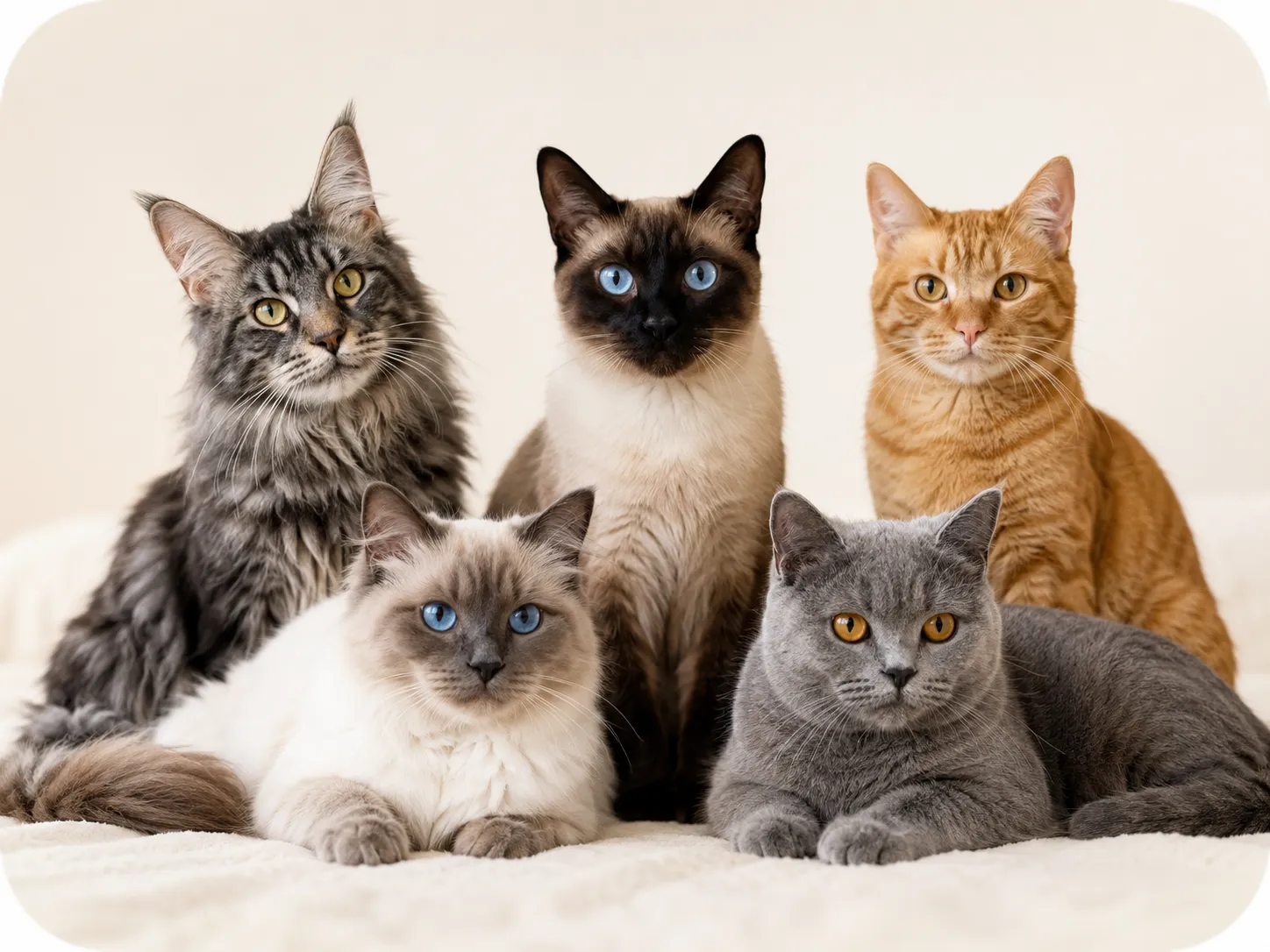
It is spring. The birds are singing, the flowers are blooming, and your cat is leaving a fur trail through your house like a fluffy tornado with a grudge against your black pants. You have found cat hair in your coffee, on your keyboard, woven into your sweater, and somehow inside a sealed Tupperware container. And just when you think the shedding cannot possibly get worse, your cat hunches over at 3 a.m. and produces a hairball that sounds like a demon being exorcised from a vacuum cleaner.
If you are wondering how to manage shedding and hairballs without losing your mind or your security deposit, you are not alone. Shedding is a normal, healthy process. Hairballs are an occasional, if disgusting, byproduct of that process. But when shedding becomes excessive or hairballs become frequent, they signal that something in your cat’s grooming routine, diet, or health needs attention.
Let us break down why cats shed, why hairballs happen, how to reduce both through grooming and nutrition, and when those furballs stop being gross and start being dangerous.
1. Why Cats Shed: The Biology Of The Fur Coat
Cats do not shed because they hate your furniture. They shed because their coat is a dynamic, living system that responds to daylight, temperature, hormones, and health status.
The Natural Shedding Cycle
Each hair follicle operates on its own independent growth cycle with three phases: anagen (active growth), catagen (transition), and telogen (resting). When a hair reaches the end of its life, the follicle releases it and begins growing a new one. This is constant, invisible maintenance — until the old hair is pushed out in visible clumps. Chewy
Most cats experience two major shedding seasons: spring, when they lose their thick winter undercoat, and fall, when they shed the lighter summer coat to make room for winter insulation. Indoor cats living under artificial lighting and climate control may shed more evenly year-round because their bodies do not receive the strong seasonal daylight cues that trigger dramatic coat changes. Morningside Veterinary
Factors That Increase Shedding
Not all shedding is equal. Some cats drop fur like confetti, while others seem to maintain a constant coat density. Here is what drives the difference:
Breed and coat type
Long-haired and double-coated breeds — Maine Coons, Persians, Norwegian Forest Cats, Siberians, Ragdolls — have more hair to lose and denser undercoats that require active removal. Short-haired cats shed less visibly but still lose significant fur; it is just shorter and harder to notice until it accumulates. Chewy
Daylight and temperature
Outdoor cats shed heavily in spring and fall. Indoor cats under constant artificial light and heating may shed moderately all year. Morningside Veterinary
Nutrition
Poor-quality diets lacking essential fatty acids result in dry, brittle hair that breaks and sheds more easily. Omega-3 and omega-6 fatty acids from fish oil, flaxseed, and quality animal fats keep the coat glossy, strong, and firmly anchored. Go! Solutions
Stress
Anxiety triggers increased shedding in cats. When stressed, cats release hormones that accelerate the hair cycle and push more hairs into the shedding phase. Chronic stress also causes overgrooming, which increases both hair ingestion and hairball formation. Chewy
Health conditions
Hyperthyroidism, allergies, parasites, fungal infections, and hormonal imbalances can all cause excessive or abnormal shedding. If your cat is shedding more than usual and the coat looks dull, greasy, patchy, or irritated, see your veterinarian before blaming the season. Morningside Veterinary
2. The Hairball Problem: When Grooming Goes Wrong
Hairballs — technically called trichobezoars — are wads of swallowed fur that accumulate in the stomach. When a cat grooms, their barbed tongue catches loose hairs, which are swallowed and normally pass through the digestive tract with food. But when the volume of ingested hair exceeds what the gastrointestinal system can move efficiently, the hair clumps together in the stomach. Eventually, the cat vomits it up. Langley Animal Clinic
Why Some Cats Have More Hairballs Than Others
Long-haired breeds
Persians, Maine Coons, Ragdolls, and other long-haired cats simply have more hair to swallow. Their risk of hairball formation is significantly higher than that of short-haired breeds.
Overgroomers
Cats who groom obsessively — whether from stress, boredom, skin irritation, or compulsive behavior — ingest far more hair than normal. This is not a hairball problem. It is a grooming problem masking an underlying behavioral or medical issue. Langley Animal Clinic
Seasonal shedders
During spring and fall, the volume of loose hair increases dramatically. Even normal groomers may ingest enough hair during peak shedding to trigger hairball formation.
Digestive issues
Cats with slow gastrointestinal motility, inflammatory bowel disease, or constipation have reduced ability to push hair through the digestive tract. Hair lingers, clumps, and comes back up. Beverly Hills Vets
The Danger Zone: When Hairballs Become Medical Emergencies
Occasional hairballs — once every few weeks — are normal for many cats. Frequent hairballs are not. Watch for these red flags that indicate a hairball has become a blockage or that an underlying disease is present:
Frequent vomiting of hairballs (more than once or twice per month)
Retching, gagging, or hacking without producing a hairball
Loss of appetite or refusal to eat
Lethargy, depression, or behavioral changes
Constipation or straining in the litter box
Diarrhea or abnormal stool
Abdominal pain, bloating, or a tense, painful belly
Weight loss
In rare but serious cases, a large hairball can cause a complete intestinal obstruction — a life-threatening emergency requiring immediate veterinary intervention and possibly surgery. If your cat is retching repeatedly without producing a hairball, or shows any combination of the above symptoms, go to the veterinarian immediately. Beverly Hills Vets
3. Grooming Strategies: Remove The Hair Before It Is Swallowed
The most effective hairball prevention is also the simplest: remove loose fur before your cat eats it.
Brushing Frequency By Coat Type
Short-haired cats (Domestic Shorthair, Siamese, Bengal)
Brush 2 to 3 times per week with a rubber curry brush, bristle brush, or grooming glove. Increase to daily during spring and fall shedding seasons. Chewy
Medium-haired cats (American Shorthair, British Shorthair)
Brush 3 to 4 times per week with a slicker brush and metal comb. Check behind the ears and under the arms for developing mats.
Long-haired cats (Persian, Maine Coon, Ragdoll, Norwegian Forest Cat)
Daily brushing is non-negotiable. Use a wide-tooth comb for detangling, a slicker brush for undercoat removal, and a dematting tool for problem areas. Professional grooming every 6 to 8 weeks helps maintain coat health and prevents mats that trap shed hair against the skin. Langley Animal Clinic
Double-coated cats (Siberian, Norwegian Forest Cat, Maine Coon)
Daily brushing with an undercoat rake during shedding season removes the dense, fluffy undercoat before it mats or is swallowed. An undercoat rake reaches deeper than standard brushes and removes astonishing quantities of loose fur. Langley Animal Clinic
The Right Tools For The Job
Not all brushes are created equal. The wrong tool frustrates your cat and leaves fur behind. The right tool makes grooming a bonding experience:
Slicker brush
Fine wire bristles on a flat base. Excellent for removing loose undercoat and small mats. Best for medium to long coats.
Undercoat rake / deshedding tool
Long teeth that reach through the topcoat to pull out the dense undercoat. Essential for double-coated breeds during shedding season. Use gently — the teeth can scratch skin if pressed too hard.
Rubber curry brush / grooming glove
Soft rubber nubs that attract loose fur through static and friction. Ideal for short-haired cats and cats who dislike wire bristles. Many cats enjoy the massage-like sensation. Chewy
Metal comb
Fine-toothed metal combs catch remaining loose hairs after brushing and help detect early mats before they tighten against the skin.
Making Grooming Enjoyable
A cat who hates being brushed will not be brushed enough. Set yourself up for success:
Choose the right time
Brush when your cat is relaxed — after a meal, after play, or during a sleepy afternoon. Avoid high-energy or anxious moments.
Start short
Begin with 2 to 3 minute sessions and gradually increase duration as your cat tolerates it. End on a positive note before your cat gets annoyed.
Use treats and praise
Offer a favorite treat before, during, and after brushing. Pair the brush with positive associations.
Be gentle
Use light pressure, especially over bony areas like the spine and hips. Senior cats have thinner skin and appreciate a softer touch. Langley Animal Clinic
Focus on problem areas
The hindquarters, base of the tail, belly, and behind the ears are where cats struggle to groom themselves and where mats most commonly form. These areas need extra attention.
4. Dietary Solutions: Feed The Hair Through
What goes into your cat affects what comes out — including how efficiently hair moves through the digestive system.
Fiber: The Hairball Highway
Fiber helps move swallowed hair through the gastrointestinal tract before it can clump into a hairball. Several dietary approaches increase fiber intake:
Hairball control formulas
Many commercial cat foods are specifically formulated with increased fiber — typically psyllium husk, miscanthus grass, beet pulp, or cellulose — to help hair pass through the digestive system rather than accumulating in the stomach. Go! Solutions
Pumpkin puree
Plain, canned pumpkin (not pumpkin pie filling) is a natural, palatable source of fiber. Add 1 to 2 teaspoons to your cat’s food daily to promote regular bowel movements and help sweep hair through the intestines. Most cats enjoy the taste. Dog Cat Ranch
Cat grass
Growing wheatgrass, oat grass, or barley grass indoors gives cats a safe source of dietary fiber and may reduce their urge to chew on houseplants. The fiber in grass helps bind and move hair through the digestive tract. Dog Cat Ranch
Omega Fatty Acids: Healthy Skin, Less Shedding
Omega-3 and omega-6 fatty acids support skin health, reduce inflammation, and promote a strong, glossy coat that sheds less and breaks less. Sources include:
Fish oil supplements
Salmon oil, krill oil, or sardine oil added to food. Start with a small amount to ensure palatability. Go! Solutions
Flaxseed
Ground flaxseed or flaxseed oil provides plant-based omega-3s. Less bioavailable than fish oil for cats but still beneficial.
High-quality commercial diets
Premium cat foods formulated with optimal omega fatty acid ratios support coat health from the inside out, reducing the total volume of loose, brittle hair available to be swallowed. Morningside Veterinary
Hydration: The Forgotten Factor
Well-hydrated cats pass hair more easily through the digestive tract. Dehydration slows gastrointestinal motility and hardens stool, trapping hair in the intestines. Strategies to increase hydration:
Wet food
Incorporate wet food into the daily diet. The 70 to 80% moisture content keeps the digestive system lubricated and stool soft. Go! Solutions
Water fountains
Many cats prefer running water to stagnant bowls. A circulating fountain encourages more frequent drinking.
Multiple water stations
Place water bowls away from food and litter boxes. Cats instinctively avoid drinking near elimination areas. Dog Cat Ranch
Broth toppers
Adding a small amount of low-sodium chicken or fish broth to dry food increases moisture intake and palatability. Go! Solutions
Hairball Remedies And Lubricants
Over-the-counter hairball gels and pastes contain petroleum jelly or vegetable oil bases that lubricate the digestive tract and help hairballs pass. These are generally safe for occasional use but should not replace addressing the root cause — excessive hair ingestion. Follow package directions and consult your veterinarian before long-term use. Langley Animal Clinic
5. Environmental Management: Controlling The Fur In Your Home
Even with perfect grooming and nutrition, some fur will escape. Here is how to manage the environmental fallout.
Vacuuming And Cleaning Strategies
Robot vacuums
A robot vacuum running daily captures fur before it accumulates in corners and under furniture. Models designed for pet hair handle the volume better than standard models.
Handheld vacuums
Keep one on each floor for quick fur removal from furniture, stairs, and cat trees.
Washable furniture covers
Throws and slipcovers on sofas and beds catch fur and can be shaken out or laundered weekly. Choose fabrics that resist static cling — natural fibers like cotton shed fur more easily than synthetic microfibers that trap it. Dog Cat Ranch
Lint rollers and squeegees
Keep lint rollers in your car, office, and by the door. A rubber squeegee dragged across upholstery removes embedded fur surprisingly effectively. Dog Cat Ranch
Humidity Control
Dry air increases static electricity, which causes fur to cling to surfaces, clothing, and your cat’s own coat. A humidifier maintaining 40 to 50% relative humidity reduces static, keeps skin from drying out, and can actually reduce shedding by maintaining healthier skin and coat condition. Dog Cat Ranch
Air Purifiers
HEPA air purifiers capture airborne fur, dander, and dust — improving air quality for allergy sufferers and reducing the total fur load circulating through your home.
6. When To See A Veterinarian
Shedding and hairballs are usually benign. But sometimes they are symptoms of something serious. Schedule a veterinary appointment if you notice:
Sudden increase in shedding with a dull, brittle, or greasy coat
Bald patches, red skin, scabs, or excessive scratching
Hairballs more than twice per month
Retching or gagging without producing a hairball
Changes in appetite, weight, or litter box habits
Lethargy, depression, or hiding
Vomiting that is not clearly hairball-related
Constipation or diarrhea lasting more than 24 to 48 hours
These signs can indicate parasites, allergies, hormonal imbalances, inflammatory bowel disease, or gastrointestinal obstruction. Early veterinary intervention prevents minor issues from becoming major emergencies. Beverly Hills Vets
Frequently Asked Questions
Is it normal for my cat to shed year-round?
Yes, especially for indoor cats. While outdoor cats typically shed heavily in spring and fall, indoor cats under artificial lighting and climate control often shed moderately throughout the year. Year-round shedding is normal; sudden increases in shedding volume or coat quality changes are not. Morningside Veterinary
How often should I brush my cat?
Short-haired cats: 2 to 3 times per week, daily during shedding season. Long-haired and double-coated cats: daily, without exception. Senior cats and cats with arthritis may need gentler, more frequent brushing in areas they cannot reach. Chewy
Do hairball control treats and gels work?
Yes, for occasional use. Petroleum-based gels lubricate the digestive tract and help hair pass. Fiber-based treats and diets help move hair through the intestines. However, these are supplements to — not replacements for — regular grooming and proper nutrition. If hairballs persist despite these measures, see your veterinarian. Langley Animal Clinic
Can I give my cat olive oil or butter for hairballs?
Small amounts of olive oil or butter can act as lubricants, but they are not ideal long-term solutions. Too much fat can cause diarrhea and nutritional imbalance. Commercial hairball gels are formulated specifically for feline digestion and are safer for regular use. Always consult your veterinarian before adding oils or fats to your cat’s diet.
Why is my cat shedding more than usual this spring?
Seasonal shedding peaks in spring as cats lose their winter undercoat. However, stress, poor nutrition, dry indoor air, allergies, parasites, or underlying health conditions can amplify normal seasonal shedding. If the increase seems extreme or the coat looks unhealthy, schedule a veterinary checkup. Chewy
Are hairballs dangerous?
Occasional hairballs are normal. Frequent hairballs, hairballs accompanied by other symptoms, or unsuccessful retching without hairball production can signal gastrointestinal obstruction, inflammatory bowel disease, or other serious conditions. Intestinal blockages from hairballs are rare but life-threatening. When in doubt, see your veterinarian. Beverly Hills Vets
The Bottom Line
Shedding and hairballs are facts of life with cats. You cannot eliminate them — nor should you want to, since a healthy coat and normal grooming are signs of a thriving cat. But you can manage them effectively.
Brush regularly with the right tools for your cat’s coat type. Feed a high-quality diet rich in omega fatty acids and appropriate fiber. Keep your cat well-hydrated with wet food, fountains, and broth. Control your home environment with humidity, air purifiers, and smart cleaning habits. And know the warning signs that distinguish normal seasonal shedding from a medical problem requiring veterinary care.
Your cat will still leave fur on your favorite sweater. They will still wake you up at 3 a.m. with a dramatic hairball performance. But with the right strategy, both events will be less frequent, less severe, and far more manageable. And your black pants might just survive another season.
For more on keeping your cat’s coat and skin healthy, explore our guides on do cats need baths, what should my cat eat, and wet food vs dry food for cats.